Best Commercial Electricity Rates in Texas [2026]
The question of who has cheapest commercial electricity rates in Texas in 2026 has a different answer than most rate articles let on. Best 12, 24, 36-month rates by REP and TDU, the four reasons cheapest does not equal best, and the five-factor decision framework.

The question of who has cheapest commercial electricity rates in Texas in 2026 has a different answer than most "best" rate articles let on. The cheapest 12-month commercial fixed rate in May 2026 was Chariot Energy at 6.74 cents per kWh on the energy line in Oncor and CenterPoint, but Chariot is one of the smaller REPs, not the safest. APG&E priced 6.91 cents in Dallas with stronger financial backing. Gexa Energy at 6.75 cents in Dallas matched on price but offered better customer-service track record. The "best" depends on which trade-off a Texas commercial buyer accepts.
This article ranks the best commercial electricity rates Texas REPs offered in May 2026 by term and territory, then walks through the four-factor decision framework that separates "cheapest" from "best." For broader market context, see the pillar guide on commercial electricity rates in Texas and the retail electric provider Texas comparison.
Best Commercial Electricity Rates Texas REPs Offered in May 2026 (Who Has Cheapest Commercial Electricity Rates in Texas Right Now)
The ranked table below uses energy-only rates from EFLs published on REP websites in early May 2026. All rates are for small-to-mid commercial customers (5,000 to 25,000 kWh per month) in the named TDU territory.
Cheapest 12-Month Commercial Fixed Rates
| Rank | REP | Oncor (Dallas) | CenterPoint (Houston) | AEP Central (Corpus, RGV) | TNMP |
|---|---|---|---|---|---|
| 1 | Chariot Energy | 6.74¢ | 6.92¢ | 7.20¢ | 7.50¢ |
| 2 | Gexa Energy | 6.75¢ | 7.02¢ | 7.40¢ | 7.50¢ |
| 3 | APG&E | 6.91¢ | 6.97¢ | 7.40¢ | 8.10¢ |
| 4 | ENGIE Resources | 6.87¢ | 7.24¢ | 7.50¢ | 8.20¢ |
| 5 | Frontier Utilities | 6.95¢ | 7.40¢ | 7.50¢ | 8.20¢ |
| 6 | NRG Energy (residential) | 6.72¢ | 7.10¢ | 7.30¢ | 7.80¢ |
| 7 | 4Change Energy | 7.10¢ | 7.40¢ | 7.50¢ | 8.20¢ |
| 8 | Cirro Energy | 7.10¢ | 7.40¢ | 7.50¢ | 8.20¢ |
Cheapest 24-Month Commercial Fixed Rates
| Rank | REP | Oncor | CenterPoint | AEP Central |
|---|---|---|---|---|
| 1 | Gexa Energy | 6.85¢ | 7.14¢ | 7.50¢ |
| 2 | ENGIE Resources | 6.97¢ | 7.34¢ | 7.60¢ |
| 3 | APG&E | 7.09¢ | 7.14¢ | 7.50¢ |
| 4 | TXU Energy | 7.20¢ | 7.45¢ | 7.65¢ |
| 5 | Reliant Energy | 7.30¢ | 7.55¢ | 7.75¢ |
Cheapest 36-Month Commercial Fixed Rates
| Rank | REP | Oncor | CenterPoint | AEP Central |
|---|---|---|---|---|
| 1 | Gexa Energy | 6.91¢ | 7.21¢ | 7.55¢ |
| 2 | APG&E | 7.15¢ | 7.20¢ | 7.55¢ |
| 3 | ENGIE Resources | 7.03¢ | 7.40¢ | 7.65¢ |
| 4 | TXU Energy | 7.30¢ | 7.55¢ | 7.75¢ |
15-Month Plans (Currently Cheapest by Term Math)
15-month plans price lowest in May 2026 because REPs match them to ICE-traded ERCOT North Hub Calendar 2027 strip maturities:
| REP | Oncor | CenterPoint |
|---|---|---|
| Gexa Energy 15-mo | 6.66¢ | 6.97¢ |
| APG&E 15-mo | 6.66¢ | 6.97¢ |
| Chariot 15-mo | 6.74¢ | 6.92¢ |
The catch: 15 months from May 2026 is August 2027, historically a poor renewal window because gas peaks with summer demand. Most experienced commercial buyers take a 24-month plan at 0.20-0.30 cents per kWh more to avoid the August renewal date.

Why Who Has Cheapest Commercial Electricity Rates in Texas Does Not Equal "Best"
The headline rate of who has cheapest commercial electricity rates in Texas misses four factors that often matter more.
1. Contract Terms
The 6.74 cent Chariot quote and the 7.20 cent TXU quote are not equivalent products. Differences buried in the EFL:
| Term | Chariot 6.74 cents | TXU 7.20 cents |
|---|---|---|
| Early termination fee | $2.00 per kWh remaining | Flat $250 per location |
| Bandwidth | 90-110% | 75-125% |
| Auto-renewal | Variable rate at REP discretion | Fixed renewal at contract +0.5 cents |
| Power factor assumption | None disclosed | 95% baked in |
The 0.46 cent gap on the energy line can be wiped out by a single early-termination event, a single under-bandwidth quarter, or a single power-factor adjustment.
2. Financial Stability
Texas REPs hold one of three PUCT certifications: Option I (residential + commercial, $10K net worth, $100K bond), Option II (commercial only, $100K net worth, $250K bond), or Option III (aggregator). Beyond the certification, the parent company matters more.
| Tier | Examples | Stability profile |
|---|---|---|
| Major utility parent | TXU (Vistra), Reliant (NRG), Direct Energy (NRG), Constellation (formerly Exelon) | Investment-grade S&P; lowest bankruptcy risk |
| Mid-major | ENGIE Resources (Engie SA), Shell Energy (Shell), Calpine Energy Solutions, Champion Energy (Just Energy) | BBB-rated parents; moderate risk |
| Standalone Option II | APG&E, Hudson Energy, Frontier Utilities, Pulse Power | Smaller balance sheets; higher exposure to wholesale shocks |
| New entrants 2024-26 | Chariot Energy, Cleanchoice Energy, Tesla Energy, Octopus Energy | Less PUCT track record; rapid growth |
In 2025, three small Texas REPs failed during a gas-volatility window, with customers transferred to Provider of Last Resort under PUCT Project 51372 at rates 20-50% above competitive. The cheapest REP that fails is more expensive than the slightly higher REP that doesn't.
3. PUCT Complaint History
The PUCT publishes complaint counts by REP at puc.texas.gov. Q1 2026 complaint ratios (complaints per 1,000 customers) showed:
| REP | Complaints per 1,000 (Q1 2026) | What it signals |
|---|---|---|
| NRG Energy | 0.15 | Strong customer service, dedicated commercial accounts |
| Gexa Energy | 0.22 | Reliable mid-market support |
| Chariot Energy | 0.28 | Low for a younger REP |
| ENGIE Resources | 0.31 | Good service, with some ETF complaints |
| APG&E | 1.42 | Higher than threshold; billing errors common |
A general guideline based on PUCT REP scorecard data: avoid REPs above 0.5 complaints per 1,000 for commercial accounts. Residential complaint ratios skew higher and are not directly comparable.
4. Industry-Specific Fit
The same REP serves different industries with different specializations:
| Customer profile | Best REP fit | Why |
|---|---|---|
| Small retail / restaurant under 50 kW | Chariot, Gexa, APG&E | Aggressive pricing, simple contracts |
| Mid-market office 50-500 kW | TXU, Reliant, ENGIE | Commercial billing portals, demand-response programs |
| Manufacturing 500 kW - 5 MW | ENGIE, Constellation, Champion | Custom hedges, indexed plans, demand response |
| Data center / large industrial 5+ MW | Calpine, Constellation, Shell, Engie | Behind-the-meter integration, custom PPAs, large-volume hedge desks |
| 100% renewable mandate | Green Mountain (NRG), CleanChoice, Energy Texas | REC certification, ESG reporting support |
A 6.74 cent Chariot rate fits a small retail customer perfectly; the same rate is unlikely to be available to a 5 MW data center, which would need a Constellation or Calpine custom PPA structured at lower energy but higher capacity charges.
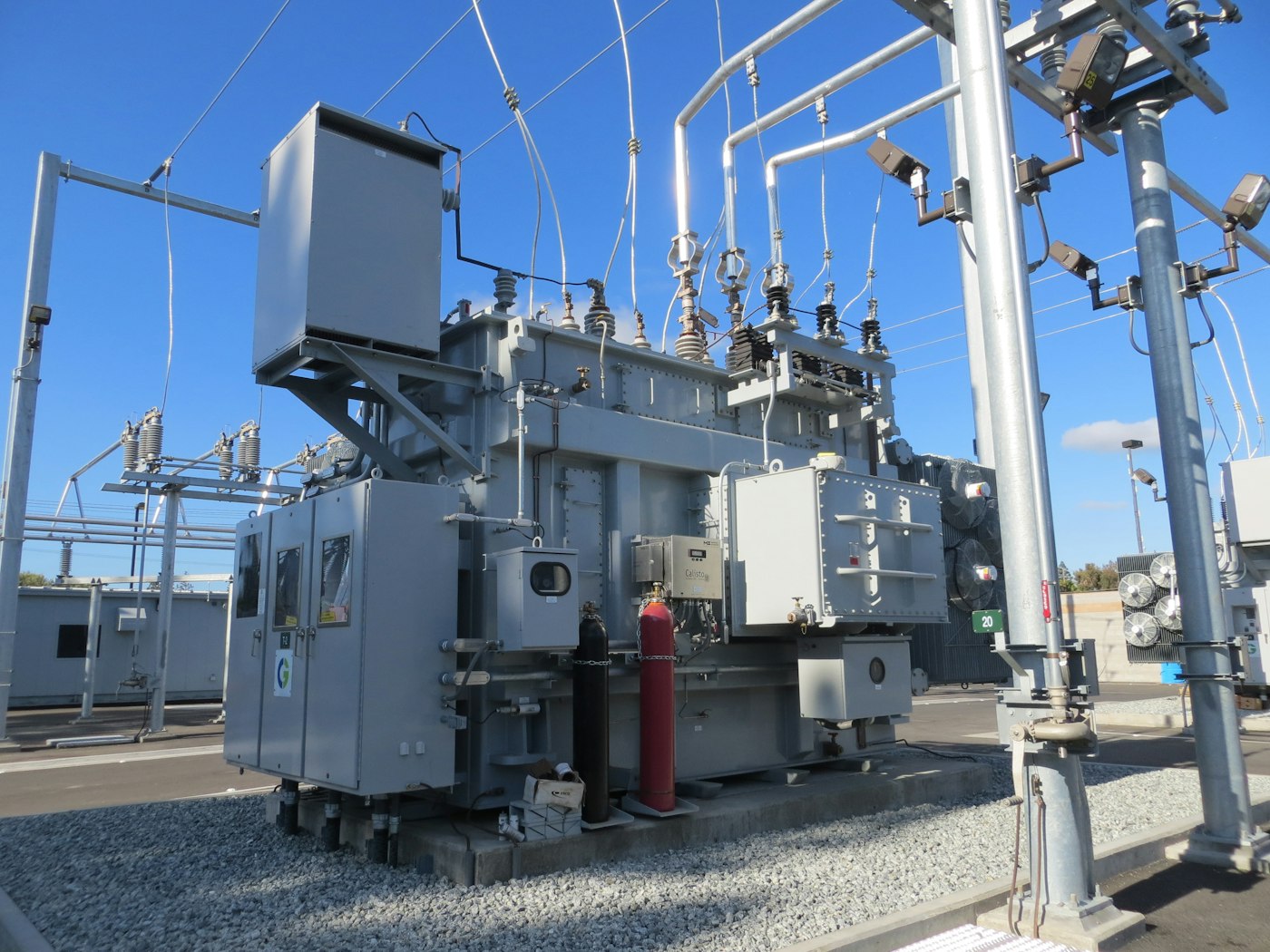
Decision Framework: Picking the Best Commercial Electricity Rate for Your Texas Business
The standard Texas commercial procurement process scores REPs on five weighted factors. Each customer assigns the weights based on their priorities.
| Factor | Default weight | What to score |
|---|---|---|
| All-in rate at customer's actual usage | 30% | Run the five-line worksheet on every EFL |
| Contract terms (ETF, bandwidth, auto-renewal) | 20% | Negotiated values, not standard EFL defaults |
| PUCT complaint history and customer service | 15% | Q1 2026 ratio under 0.5 per 1,000 |
| Financial stability of REP / parent | 15% | Major utility parent or BBB+ rated parent |
| Industry fit and specialization | 10% | Demand response, renewable, custom hedge availability |
| Renewable / ESG fit | 10% | RECs vs bundled, percentage match |
| Total | 100% | Highest score wins |
The cheapest REP commonly scores 7.5-8.5 out of 10 on rate but 6-7 on the other factors. A REP scoring 8.5 on rate and 9 on the other factors typically wins the weighted score even at 0.30 cents per kWh higher on the energy line.
When Who Has Cheapest Commercial Electricity Rates in Texas Is the Right Question
Three customer profiles where the rate-only optimization makes sense.
- Single-location small commercial under 5,000 kWh per month. The total contract value is small enough that any REP failure transfers to POLR cleanly, and the cheapest 12-month rate often wins.
- Customers with 12-month or shorter horizons. Subleased space, seasonal businesses, or customers expecting to relocate. The rate is the only thing that matters; the contract terms wash out at term end.
- Customers with strong in-house procurement. A buyer with the capacity to actively manage the contract through any service issue can absorb a higher complaint risk in exchange for the rate. Most small businesses do not.
For everyone else, paying 0.20 to 0.40 cents per kWh more for a stronger REP usually pays back through lower contract risk, fewer surprise charges, and reliable customer service.
Frequently Asked Questions About the Best Commercial Electricity Rates in Texas
Who has cheapest commercial electricity rates in Texas in 2026? On the 12-month fixed energy line, Chariot Energy at 6.74 cents in Oncor was the cheapest in May 2026, with Gexa Energy at 6.75 cents and APG&E at 6.91 cents close behind. The 15-month term priced lower (Gexa and APG&E at 6.66 cents in Oncor) but creates an August 2027 renewal date in a historically expensive window.
What are the best commercial electricity rates Texas REPs offered for a 24-month contract on commercial accounts? Gexa Energy led at 6.85 cents per kWh in Oncor, ENGIE Resources at 6.97 cents, and APG&E at 7.09 cents. The 24-month term is often the best total-cost-of-ownership choice because it locks rate stability without taking on the August-renewal risk of a 15-month plan.
Which Texas REP has the best commercial customer service? By PUCT complaint ratio in Q1 2026, NRG Energy (0.15 per 1,000) ranked best, followed by Gexa Energy (0.22), Chariot Energy (0.28), and ENGIE Resources (0.31). The widely-marketed APG&E ran 1.42, signaling billing-error concerns that small commercial buyers should price into the decision.
Are smaller Texas REPs riskier than the major utility-backed ones? Yes, structurally. Three smaller Texas REPs failed in 2025 during a gas-price volatility window, with customers transferred to Provider of Last Resort at rates 20-50% above competitive. Major utility-parent REPs (TXU, Reliant, Direct Energy, Constellation) carry investment-grade balance sheets that make failure unlikely.
Should I always pick the cheapest commercial electricity rate? No. The cheapest rate optimizes one of five factors (rate). The other four (contract terms, financial stability, customer service, industry fit) often matter more for a multi-year commitment. Use the weighted decision framework above; for most small commercial customers, paying 0.20-0.40 cents per kWh more for a stronger REP pays back through lower contract risk and fewer surprises.
What to Do Next
Identify which factor matters most for the customer's specific business: rate, contract terms, financial stability, customer service, or industry fit. Pull EFLs from the top 3-5 REPs in the relevant TDU territory at the chosen contract term. Run the five-line worksheet on each. Cross-reference the PUCT complaint ratios at puc.texas.gov. The pillar guide on commercial electricity rates in Texas covers the rate stack, the REP comparison pillar covers the full 139-REP universe, and the PUCT REP directory is the official certification check.