Average Commercial Electricity Price Per kWh in Texas
Texas commercial electricity price per kWh averaged 8.64 cents in January 2026 per EIA, 25 to 37% below the US commercial average. Six-year history, breakdown by energy/delivery/regulatory layer, neighbor-state comparisons, and what is driving 2026 prices higher.

The average commercial electricity price per kWh in Texas was 8.64 cents per kWh in January 2026, per EIA Form 826 monthly data, up 2.1% from 8.46 cents in January 2025. The Texas commercial average has been roughly 25 to 37% below the US commercial average for the past five years and remains lower than every neighboring state. The energy supply layer (the REP rate, before delivery) ran 5.5 to 7.7 cents per kWh in 2026; the rest is TDU delivery and a small regulatory layer.
This article reports the actual numbers behind commercial electricity price per kWh in Texas, where they come from, what drives them, and why the headline cents-per-kWh figure is misleading without knowing the breakdown. For broader market context, see the pillar guide on commercial electricity rates in Texas and the 6-year Texas electricity rates chart spoke.
Texas Commercial Electricity Price Per kWh: 2026 Headline
| Month | Texas commercial cents/kWh | YoY change |
|---|---|---|
| Jan 2026 | 8.64 | +2.1% vs Jan 2025 |
| Feb 2026 | (not yet released) | - |
Source: EIA Electric Power Monthly Table 5.6.A. The EIA reports monthly state-level commercial averages from Form 861-M (which replaced Form 826 in 2024); January 2026 is the most recent release as of this article's publish date. The corresponding US commercial average for January 2026 was approximately 11.50 cents per kWh.
Texas commercial price per kWh runs 36.9% below the US average. The gap has been roughly stable at 25-37% for five years. The reason is structural: Texas's deregulated retail market produces tighter REP margins than regulated states, ERCOT's wholesale market clears more frequently than other ISOs, and the state has no sales tax on electricity (gross receipts taxes apply at 0.5-2.5%).
Texas vs Neighboring States, January 2026
| State | Jan 2026 commercial (cents/kWh) | Jan 2025 | YoY | Texas comparison |
|---|---|---|---|---|
| Texas | 8.64 | 8.46 | +2.1% | baseline |
| Oklahoma | 9.28 | 9.05 | +2.5% | TX 6.9% lower |
| Louisiana | 9.85 | 9.62 | +2.4% | TX 12.3% lower |
| New Mexico | 10.12 | 9.88 | +2.4% | TX 14.6% lower |
| US average | ~11.50 | ~11.20 | +2.7% | TX 24.9% lower |
Source: EIA Table 5.6.A by state, January 2026 release. Texas's deregulated commercial market consistently undercuts regulated neighbors. This is the structural advantage Texas businesses receive from competitive retail.

Texas Commercial Electricity Price Per kWh: Six-Year History
| Year | Texas commercial annual avg (cents/kWh) | Major driver |
|---|---|---|
| 2020 | 8.05 | Pandemic demand collapse; wholesale at $19/MWh |
| 2021 | 9.10 | Winter Storm Uri (Feb 2021); $9,000/MWh emergency cap for 4 days; year-end retail rates spiked |
| 2022 | 8.65 | ERCOT post-Uri reforms (PCM, ECRS, DRRS); rate stabilization |
| 2023 | 8.32 | ERCOT real-time average $48/MWh; multiple summer scarcity events |
| 2024 | 8.56 | Wholesale collapse to $26/MWh real-time average; retail lagged |
| 2025 | ~8.61 (est) | Steady demand growth from data centers; modest wholesale rebound |
| Jan 2026 | 8.64 | Forward curves pricing rising data center load (EIA forecasts +45% wholesale 2026) |
Source: EIA Form 826/861-M annual data. Annual averages weight monthly figures by reported sales volume.
The 2020-2026 commercial electricity price per kWh trajectory holds two lessons for Texas businesses.
First: the wholesale market is more volatile than the retail commercial market customers see. ERCOT real-time wholesale prices ranged from $19 to $48 per MWh annually in this window (a 2.5x spread), while commercial retail averaged 8.05 to 9.10 cents per kWh (a 1.13x spread). Retail REPs absorb wholesale volatility through hedging, which means fixed-rate commercial contracts smooth the curve customers would otherwise see.
Second: the year-over-year change in commercial electricity price per kWh in Texas is mostly driven by delivery (TDU) tariff changes and forward-curve repricing, not by current wholesale spot. The 2.1% increase from January 2025 to January 2026 reflects PUCT-approved 2026 TDU rate cases (Oncor +3.2%, CenterPoint +1.2 billion in grid-hardening cost recovery) more than wholesale spot volatility.
Breakdown of Texas Commercial Electricity Price Per kWh by Component
Every cent in the commercial bill maps to one of three layers. The 8.64 cents per kWh January 2026 figure breaks down as follows for a typical small commercial customer.
| Component | 2026 cents/kWh | % of bill | What it covers |
|---|---|---|---|
| Energy supply (REP) | 5.5 - 7.7 | 65-75% | Wholesale hedge + ancillary + REP margin + broker commission |
| Delivery (TDU) | 2.5 - 3.5 | 20-30% | Per-kWh distribution + per-kW transmission + monthly customer charge |
| Regulatory + taxes | 0.5 - 1.0 | 5-10% | Gross receipts tax, municipal franchise fees, PUCT fee |
| Total | 8.5 - 12.2 | 100% | Matches EIA reported 8.64 average |
The energy supply layer is where competition operates. A buyer who shops aggressively can pull this layer to 5.5 cents per kWh in CenterPoint or Oncor in May 2026; a buyer who renews on auto-pilot can be paying 8.5 cents on the same metric. The 3-cent gap, compounded over a 25,000 kWh per month commercial account, is $9,000 per year.
The delivery layer is regulated and non-bypassable. A customer in CenterPoint pays roughly half a cent per kWh more than the same customer would in Oncor, because the PUCT-approved tariff for CenterPoint is structured around the Houston metro grid investment.
The regulatory + taxes layer rarely moves; it is the floor under any commercial bill.
How the 8.64 Cent Texas Figure Compares to Specific Customer Profiles
The EIA Texas commercial average is a weighted state-level number. Specific customer profiles deviate substantially.
| Profile | All-in cents/kWh (May 2026) | Vs Texas avg |
|---|---|---|
| Sub-50 kW small commercial (no demand charge) | 8.5 - 11.0 | +1 to +27% |
| 50-200 kW demand-metered commercial | 9.0 - 11.5 | +4 to +33% |
| 200 kW - 1 MW mid-commercial | 7.5 - 9.5 | -13 to +10% |
| 1-5 MW large commercial / industrial | 6.5 - 8.5 | -25 to -2% |
| 5+ MW large industrial / data center | 5.5 - 7.5 | -36 to -13% |
The pattern: the bigger the customer, the lower the all-in commercial electricity price per kWh, because larger loads support direct REP relationships (no broker commission), better hedging, and demand-charge optimization that smaller customers cannot afford to chase.
Why a Single "Average Cost Commercial Electricity Per kWh Texas" Figure Misleads
Three structural reasons make the EIA average less useful than it looks for any specific customer.
1. The EIA Average Includes Industrial Loads
EIA's "commercial sector" classification mixes a 5 MW data center paying 6.0 cents per kWh and a 25 kW retail shop paying 11.5 cents. The weighted average lands in the middle. A small business owner using the 8.64 cents figure as a benchmark is comparing against a number that includes hyperscale loads.
2. The All-In Number Is Geographic-Average
A Houston business in CenterPoint and a Dallas business in Oncor face different all-in numbers. The state-level figure smooths the gap. Real apples-to-apples requires the customer's specific TDU and load profile.
3. The Number Lags Spot
EIA reports lag wholesale by 60 to 90 days. ERCOT real-time has been climbing in 2026 forward curves; the EIA Texas commercial number for July 2026 will likely show the 45% wholesale increase, but the January 2026 figure does not yet reflect it.
What Drives the Commercial Electricity Price Per kWh Higher in 2026
Three near-term forces are pushing the Texas commercial price up. Each is documented in PUCT and ERCOT public filings.
1. Data Center Load Growth
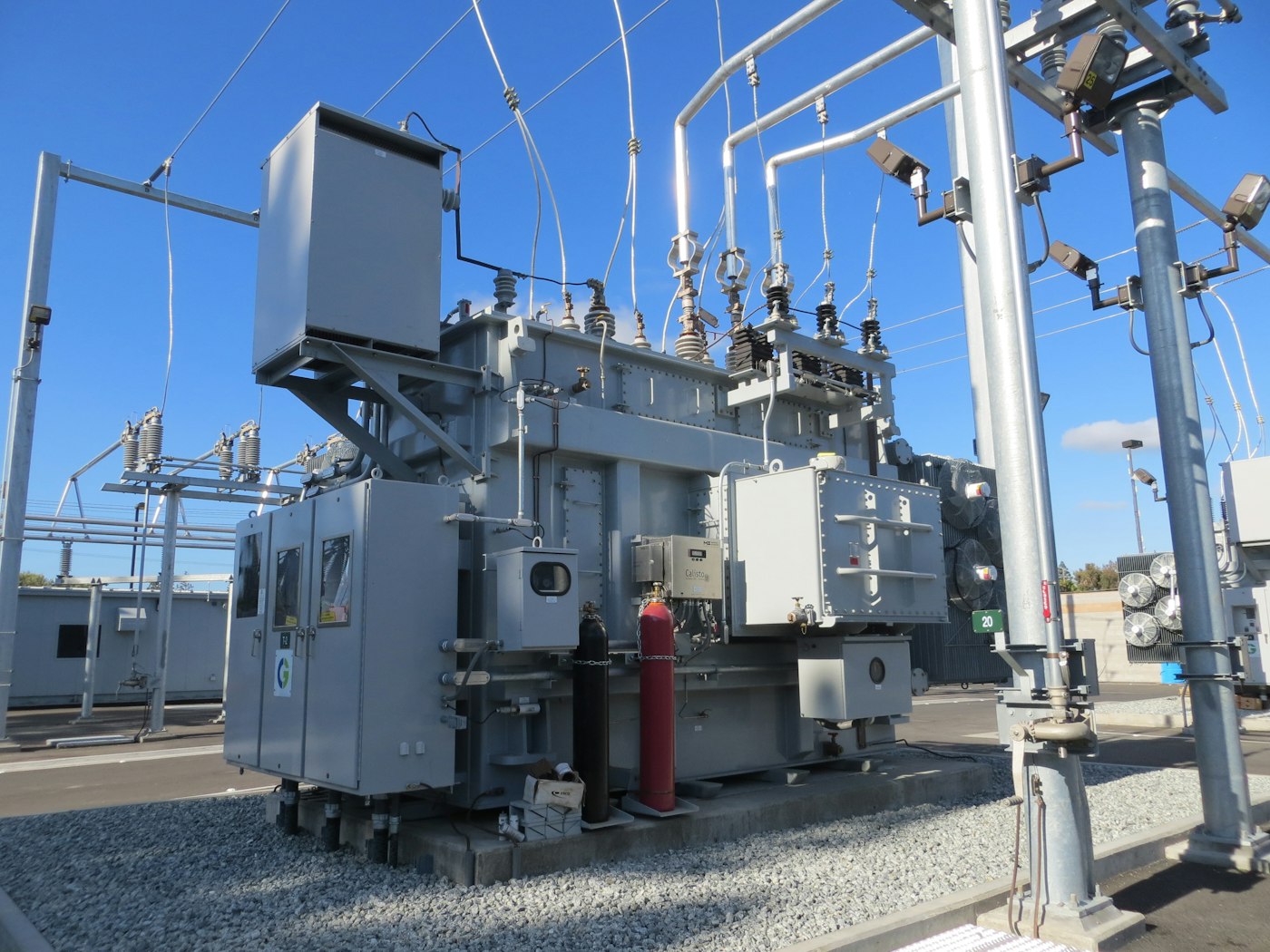
ERCOT's interconnection queue passed 410 GW in early 2026, with 87% from data centers (see the ERCOT data center load 4CP analysis). The forward curve has incorporated the demand expectation, pushing the ICE-traded ERCOT North Hub Calendar 2026 strip up roughly 45% versus the prior-year strip per EIA's 2026 outlook.
2. TDU Rate Cases
PUCT approved Oncor Docket 50914 (3.2% commercial-rate increase for 2026) and CenterPoint Docket 51234 ($1.2 billion in grid-hardening cost recovery). Both reflect grid investment that flows directly to commercial delivery charges.
3. ECRS and Ancillary Cost Pass-Through
The Operating Reserve Capacity Reliability Scarcity product launched Q4 2025 under PUCT Rule 25.505 widened the ancillary services adder to 0.5-1.5 cents per kWh on commercial bills, up from approximately 0.3 cents in 2024.
Frequently Asked Questions About Commercial Electricity Price Per kWh in Texas
What is the average cost commercial electricity per kWh Texas businesses pay in 2026? The EIA reported 8.64 cents per kWh as the Texas commercial average for January 2026, with the full-year 2025 average around 8.61 cents. Specific small commercial accounts under 50 kW peak typically pay 8.5 to 11.0 cents all-in; larger accounts pay less.
Why is Texas commercial electricity cheaper than other states? Three structural reasons: deregulated retail market (139 PUCT-certified REPs competing), ERCOT wholesale market (15-minute settlement intervals tightening price discovery), and no state sales tax on electricity (gross receipts taxes only at 0.5-2.5%). The combined effect is a 25-37% gap below the US commercial average.
How is the commercial electricity price per kWh different from residential? Texas commercial averages run roughly 30-50% below residential because of two factors: commercial customers pay no Public Utility Commission Customer Protection Fund contributions (residential does), and commercial customers have the structural option of demand-metered tariffs that residential cannot access. The all-in residential average for 2026 was approximately 14-16 cents per kWh.
Where does the EIA get the Texas commercial price per kWh number? The EIA Form 861-M (replaced Form 826 in 2024) collects monthly billing data from every utility and REP serving over 100,000 customers. The Form aggregates total commercial sales (kWh) and total commercial revenue ($) by state, then divides to produce the cents-per-kWh figure.
Will the commercial electricity price per kWh in Texas go up in 2026? Most forecasts say yes. EIA's 2026 short-term outlook projects ERCOT wholesale up roughly 45% versus 2025. Retail commercial typically lags wholesale by 60-90 days through hedging, but TDU rate cases (Oncor and CenterPoint) and ECRS pass-throughs are already pushing 2026 retail above 2025.
What to Do Next
If a Texas business owner is comparing a current bill to the 8.64 cents per kWh state average, the next step is to break out the customer's specific energy / delivery / regulatory layers and benchmark each one. The energy line is where competition operates; the delivery line is regulated. The pillar guide on commercial electricity rates in Texas covers the full rate stack, and the compare commercial electricity rates spoke walks through the five-line normalization worksheet.