Commercial Electricity Rates in Houston: REPs and Pricing
Commercial electricity rates Houston Texas businesses paid in May 2026 ran 6.92 to 7.40 cents/kWh on the energy line for 12-month fixed contracts in CenterPoint Energy territory, with all-in 11-13.5 cents. The CenterPoint delivery tariff, active REPs, Docket 51234 grid hardening, and Houston-specific consumer profiles.

Commercial electricity rates Houston Texas businesses paid in May 2026 ran 6.92 to 7.40 cents per kWh on the energy line for 12-month fixed contracts in CenterPoint Energy territory, with all-in rates including delivery and base charges falling between 11 and 13.5 cents per kWh. CenterPoint's commercial delivery tariff is roughly 5.8 to 6.5 cents per kWh, structurally higher than Dallas's Oncor at 4.19 cents, because of Houston's denser urban grid, underground lines, and the $1.2 billion grid-hardening cost recovery PUCT approved in Docket 51234.
This is the local-market pillar for Houston commercial buyers. For broader Texas context, see the pillar guide on commercial electricity rates in Texas and the retail electric provider Texas comparison.
Commercial Electricity Rates Houston Buyers See: May 2026 Snapshot
| Component | Houston (CenterPoint) | Dallas (Oncor) | Differential |
|---|---|---|---|
| Energy line (12-mo fixed) | 6.92 - 7.40 cents/kWh | 6.64 - 7.20 cents/kWh | Houston +0.20 cents avg |
| TDU delivery | 5.8 - 6.5 cents/kWh | 4.19 - 4.85 cents/kWh | Houston +1.5 cents |
| All-in (small commercial under 50 kW) | 11.0 - 13.5 cents/kWh | 9.0 - 11.5 cents/kWh | Houston +1.5 to +2.0 cents |
| Demand charge (50+ kW account) | $5.92 - $6.48/kVA | $4.85 - $5.50/kVA | Houston +$1/kVA |
| Customer charge (small commercial monthly) | $9 - $20 | $5 - $15 | Houston +$5 typical |
Commercial electricity rates Houston buyers see carry a structural premium because the delivery component runs higher. The energy line is competitive (139 PUCT-certified REPs serve CenterPoint), but the delivery component is set by regulated tariff and cannot be shopped.
Active Commercial REPs Setting Commercial Electricity Rates Houston Customers Shop
The major REPs operating in CenterPoint territory for commercial customers in May 2026, sorted by typical 12-month fixed-rate energy line:
| REP | Typical 12-mo energy (cents/kWh) | Strength |
|---|---|---|
| Chariot Energy | 6.92 | Aggressive small-mid commercial pricing |
| AP Gas & Electric | 7.04 - 7.20 | Houston-based, Option II commercial focus |
| Atlantic Energy | 7.21 | Mid-market commercial |
| Frontier Utilities | 7.40 | Saver Plus 12 mo product |
| Gexa Energy | 7.40 | NextEra subsidiary, 100% renewable available |
| 4Change Energy | 7.40 | Maxx Saver Value 12 product |
| Cirro Energy | 7.40 | NRG value-tier commercial |
| Express Energy | 7.40 | Flash Value 12 |
| Reliant Energy | 11.90 (residential-style) | NRG flagship; typically priced for residential cross-sell |
| TXU Energy | 12.90 (residential-style) | Largest by customer count statewide |
| Direct Energy | 13.90 (residential-style) | NRG; sold heavy in Houston small business |
The 6.92 cent Chariot rate and the 12.90 cent TXU rate are not for the same product. The lower-priced REPs (Chariot, AP Gas & Electric, Atlantic, Frontier, Gexa, 4Change, Cirro, Express) sell purpose-built commercial fixed-rate plans. The higher-priced REPs (TXU, Reliant, Direct Energy) often quote residential-style plans first to small commercial customers; their actual commercial-only quote requires a Letter of Authorization and a specific commercial rate request.
For larger industrial loads (above 1 MW), Calpine Energy Solutions, Constellation Energy, Shell Energy, and Engie Resources serve Houston port operations, refineries, and the medical center with custom contracts that do not appear in the small-commercial table.

CenterPoint's Commercial Delivery Tariff
CenterPoint's commercial delivery tariff (the regulated charge that drives commercial electricity rates Houston buyers face) breaks into four components, listed in the CenterPoint Houston Electric Rates Report on file at the PUCT and in the PUCT REP directory listing all eligible providers.
| Component | Small commercial (under 1 MW) | Large power (over 1 MW) |
|---|---|---|
| Customer charge (monthly fixed) | $2.01 - $6.37 | $4.14 - $190.55 |
| Metering charge (monthly fixed) | $2.79 - $9.27 | $2.95 - $732.35 |
| Distribution charge (per kWh) | $0.05903/kWh | $0.000720 - $0.001059/kWh |
| Demand charge (per kVA) | up to $5.91/kVA | $5.92 - $6.48/kVA + $3.46 - $6.16/4CP kVA |
Plus the Transmission Cost Recovery Factor (TCRF) at $0.016173 per kWh and the base distribution component at $0.023240 per kWh. Both are pass-through, both rise as PUCT approves rate cases.
Two CenterPoint-specific cost layers raise the all-in rate above Dallas:
1. Hurricane and Grid Hardening (Docket 51234)
The PUCT approved CenterPoint's $1.2 billion grid-hardening recovery in Docket 51234, driven by Hurricane Beryl 2024 damage and pre-existing Hurricane Ike capital needs. The recovery flows through volumetric surcharges of approximately 0.5 to 1.0 cents per kWh, embedded in the delivery component, recovered over 2025-2030.
2. Underground and Coastal Construction Costs
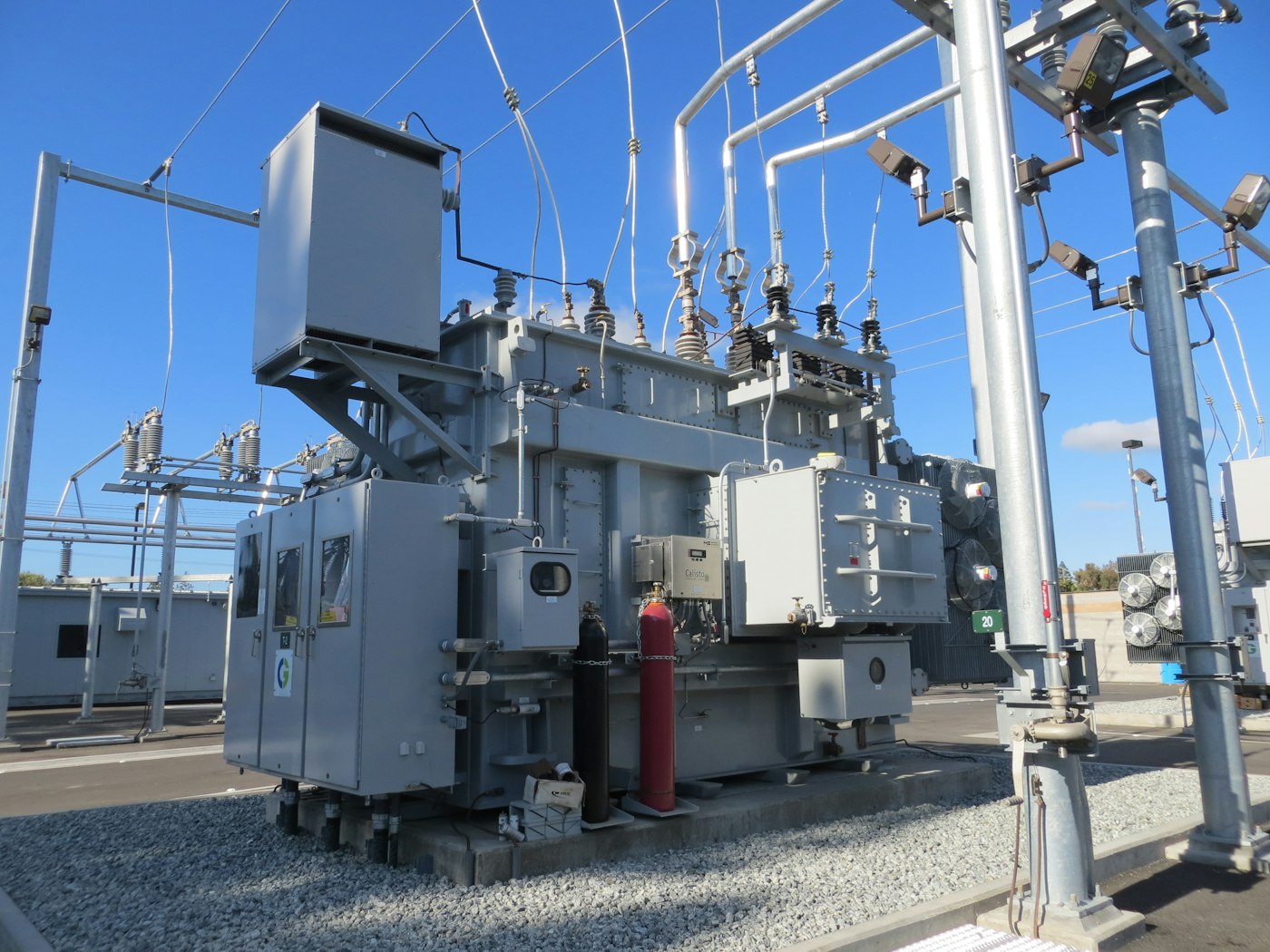
Roughly 30-40% of CenterPoint's distribution network in central Houston runs underground (more than the Texas average of 15%), and Gulf Coast humidity drives accelerated equipment replacement cycles. Both factors lift the per-kWh distribution charge.
Major Houston Commercial Consumer Profiles
Houston's commercial load is dominated by sectors that few other Texas metros face at scale. Each profile faces different rate structure considerations.
Port of Houston Operations
Cranes, refrigeration, container yards, ship terminals. Typical load 1 to 10 MW. Spiky demand profile. The Houston Ship Channel facility class faces $4 to $8 per kW-month facility charges on top of the standard demand component. REPs serving port customers usually quote indexed plans rather than fixed-rate, because the load shape does not hedge cleanly.
Texas Medical Center
The 50-million-square-foot medical complex is the largest in the world, with 10+ hospitals running 24/7 critical loads plus backup generation. The medical class typically gets custom commercial tariffs from REPs offering uptime guarantees and demand-response participation. Expect a 0.2-0.4 cents per kWh "medical premium" on the energy line in exchange for blackout-related contractual penalties.
Energy Corridor Office Buildings
Office complexes housing oil and gas companies (BP, Shell, ExxonMobil, ConocoPhillips, ChevronPhillips). Typical load 1 to 5 MW per building. Standard mid-commercial profile, with a high HVAC load due to Gulf Coast humidity. REPs commonly bundle 100% renewable products for ESG-reporting buyers.
Retail and Strip Centers
Retail load 500,000 to 2 million kWh per year per location. Small to mid-commercial service class. Seasonal fluctuation (cooling-driven summer peaks). Standard fixed-rate plans work well; the bandwidth negotiation is the most important contract lever.
Warehouses and Logistics (Northeast Houston)
Distribution centers, third-party logistics, cold storage. 500 kW to 5 MW load with highly variable hours of operation. Time-of-use plans with night-rate discounts pay back when the warehouse can shift loading dock and forklift charging to off-peak.
Why Commercial Electricity Rates Houston Customers Pay Run Higher Than Dallas
The 1.5 to 2.0 cents per kWh gap between Houston and Dallas all-in commercial rates is structural, not cyclical. Three drivers explain it.
1. CenterPoint Delivery Cost Structure
CenterPoint's delivery tariff runs 1.5 cents per kWh higher than Oncor's because of the urban grid density, the underground network, and the hurricane-hardening cost recovery from Docket 51234. None of these are reversible without a multi-year regulatory shift.
2. Hurricane Risk Premium in REP Quotes
REPs build a 0.5 to 1.0 cents per kWh risk premium into Houston long-term fixed contracts that does not appear in Dallas quotes. Beryl 2024 drove $1+ billion in unexpected outage-related claims through the customer base; REPs price that risk forward.
3. Gulf Coast HVAC Load Profile
Houston's 90%+ summer humidity drives 40-50% higher cooling load in commercial buildings versus Dallas. The shape lifts both the energy hedge (REPs price summer peaks higher) and the demand component (peak kW shifts up).
The buyer's takeaway: commercial electricity rates Houston are competitive within the CenterPoint reality, but the floor is structurally higher than Oncor. A buyer with multi-site operations across Houston and Dallas should expect a 15-25% rate gap that does not close through aggressive REP shopping.
Six Levers for Texas Customers Shopping Commercial Electricity Rates Houston REPs Quote
Specific to CenterPoint territory, six tactics reliably reduce the all-in commercial bill.
- Negotiate the demand charge cap. Houston's higher demand component makes the demand-cap clause more valuable. Get the maximum monthly demand charge written into the contract; without the cap, a single-month spike (a hurricane-related outage recovery, an HVAC failure) drives the next 12 months of billing.
- Time the contract end to May 31. TDU rates reset June 1 under PUCT Rule 25.451. A March or April contract end pushes the customer onto a variable plan during the reset.
- Audit power factor. Houston-area refinery and medical-cluster motor loads commonly run below 95% power factor, which triggers TDU penalties under PUCT Rule 25.481. Capacitor installs pay back in 12-24 months for facilities below 92%.
- Consider 100% renewable for ESG-reporting buyers. Energy Corridor offices and corporate Houston buyers can typically add 100% renewable for 0.3-0.7 cents per kWh, justified by Scope 2 reporting requirements.
- Layer in demand response. Pulse Power, ENGIE Resources, and Constellation Energy all offer Houston commercial demand-response with $50-100 per kW per year credits for committed curtailment.
- Verify the hurricane-recovery surcharge in writing. The Docket 51234 surcharge is volumetric and should appear on the EFL or TDU component of the contract. If it is bundled into a "regulatory" line, ask for the breakdown.
Frequently Asked Questions About Commercial Electricity Rates Houston Businesses Pay
What is the average commercial electricity rate in Houston in 2026? The all-in average ran 11 to 13.5 cents per kWh for small commercial accounts in CenterPoint territory in May 2026. Larger commercial accounts (500 kW+) typically saw 9 to 11 cents all-in. The energy line alone (REP rate before delivery) ran 6.92 to 7.40 cents per kWh on competitive 12-month fixed contracts.
Why are commercial electricity rates Houston higher than Dallas? Three reasons: CenterPoint's delivery tariff runs 1.5 cents per kWh higher than Oncor's because of urban grid density, underground lines, and the $1.2 billion grid-hardening recovery in Docket 51234. REPs add a 0.5 to 1.0 cents per kWh hurricane-risk premium to Houston quotes. Gulf Coast humidity drives 40-50% higher commercial cooling load than Dallas.
Which REPs serve commercial customers in Houston? 139 PUCT-certified REPs are eligible to serve Houston commercial. The most active for small-mid commercial in May 2026 are Chariot Energy, AP Gas & Electric, Atlantic Energy, Frontier Utilities, Gexa Energy, 4Change Energy, Cirro Energy, and Express Energy on the value tier; TXU Energy, Reliant, and Direct Energy are common but typically quote residential-style plans first; Calpine Energy Solutions, Constellation Energy, Shell Energy, and Engie Resources serve large industrial and the medical center.
What is the CenterPoint Houston grid-hardening surcharge? The PUCT approved CenterPoint's $1.2 billion grid-hardening recovery in Docket 51234, driven by Hurricane Beryl 2024 damage and pre-existing capital needs. The recovery flows through volumetric surcharges of approximately 0.5 to 1.0 cents per kWh, embedded in the delivery component, recovered over 2025-2030.
How much can a Houston small business save by shopping commercial electricity? A small business renewing on auto-pilot at 11.5 to 13 cents per kWh all-in versus shopping a competitive REP can typically save 1.0 to 1.5 cents per kWh, or roughly $1,000 to $3,000 per year on a 5,000-25,000 kWh per month load.
What to Do Next
Pull the most recent CenterPoint commercial bill, identify the ESI ID, the contract end date, and the all-in cents per kWh. Compare the all-in to the May 2026 Houston ranges above. Run the five-line comparison worksheet on three to five EFLs from Houston-active commercial REPs. The pillar guide on commercial electricity rates in Texas covers the rate stack, and the REP comparison pillar lists every commercial-active REP in the CenterPoint zone.